
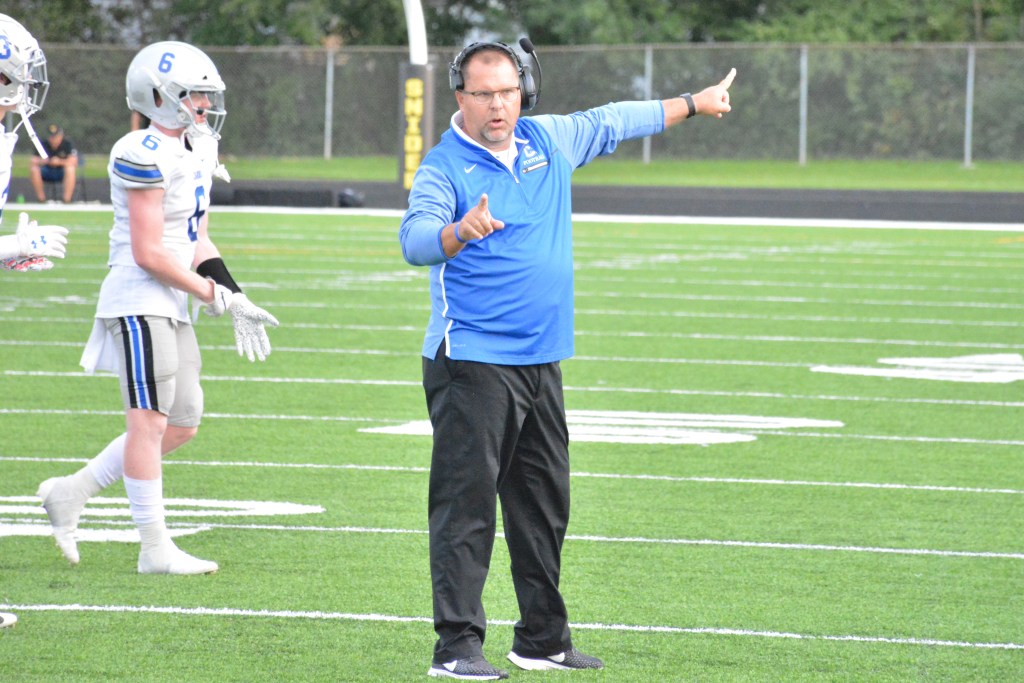

It sounds simple, doesn’t it? Coaches provide instructions to players and players go out and execute whatever is asked of them. If a player doesn’t perform as expected, the coach offers guidance on how to improve, and they move forward.
If only it were that straightforward…
In today’s world, many young athletes crave instant gratification. I don’t want to sound like the stereotypical old man yelling at clouds, but it’s a reality that most coaches would acknowledge. Players today often want to know what they’ll get in return for putting in the required effort. Unfortunately, when that immediate gratification doesn’t materialize, some players harbor feelings of resentment or regret for the hard work they’ve invested without receiving the expected rewards.
This is disheartening because football, in many ways, isn’t about instant gratification. The game demands dedication and hard work that may not yield immediate results, but pays off over time. Players must want to be coached rigorously, not for some fleeting external validation, but because it will ultimately make them better. Too often, coaches today feel as if they must tread lightly around players for fear of backlash, whether from the players themselves or, even worse, their parents.
Now, when I talk about coaching, I’m not referring to the outdated approach of grabbing a player’s facemask and screaming at them – that’s never been effective and never will be. However, there is something to be said for coaching a player intensely, channeling all your energy into helping them become the best version of themselves. This approach may come across as aggressive to some, but the real issue arises when players focus more on how a coach is saying something rather than on the substance of what’s being said. This disconnect is causing many coaches to rethink their approach to every situation.
The alternative is to hold back, not pushing players to their maximum potential. Too often, coaches today refrain from being overly critical of a player’s actions, fearing the consequences. This can lead to players developing a mindset where they believe they can do whatever they want without repercussions. Unfortunately, life doesn’t work that way, and those who believe they can act without accountability are likely to encounter difficulties down the road.
Players who embrace coaching and truly listen often become great leaders. They understand the importance of listening, recognizing that everyone on the team shares the same goal. These are the values every coach seeks in a player: someone who listens, someone who takes coaching seriously and most importantly, someone who desires that guidance.
Yes, this requires players to swallow their pride and accept a dose of humility. But the challenges they’ll face beyond high school football will be far greater, and many will look back and appreciate the coach who was tough on them, who offered that tough love and who showed them the right way to do things.
Players must want to be coached because there are so many great coaches out there who are eager to guide them – not just in football, but in life as well. And I believe we will always be grateful for those football coaches who worked just a little bit harder to bring out the best in their players.
Coach‘s Corner appears weekly at Outside the Huddle. The author Ben Martone played football in the SAC and has coached at North Side and Northrop. He is currently a teacher at Weisser Park Elementary in Fort Wayne Community Schools.


Be the first to comment